A body kit is an aerodynamic decision made by eye
Styled shapes are chosen for proportion, not pressure. The kits that actually work in air had to prove it first.
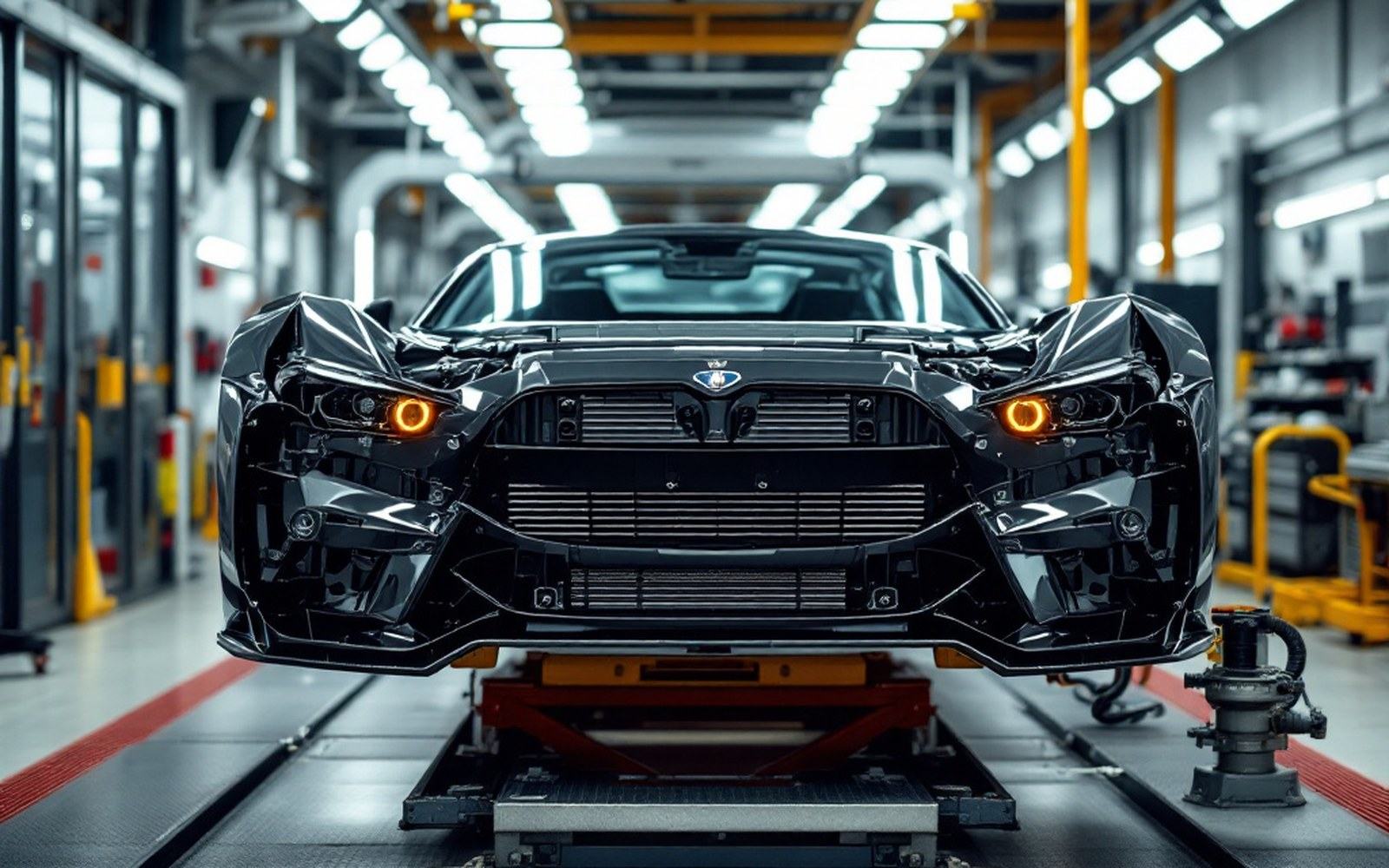
Every added surface changes what reaches the radiator and the brake ducts.
The gap between looking fast and being fast
A body kit begins in a studio. A designer sketches an over-wide front bumper, a set of side skirts that drop the car's visual weight to the ground, a rear diffuser that fills the gap between the sill line and the road. The proportions are resolved before any of them have been near moving air, and for most kits that is where the aerodynamic conversation ends. The shape goes from sketch to tooling because it looks right, not because it has been tested.
That is not a criticism unique to the aftermarket. Car manufacturers style their production bumpers too, and many of the vents and creases on a showroom car displace no useful pressure at all. The difference is that a manufacturer's production car has been through regulatory homologation, and the drag and lift figures that emerge from that process set a baseline the body kit then departs from — sometimes for better, usually for worse. A bluff front splitter that was not matched to the car's underbody can generate front downforce at the same time as it disrupts the floor flow and increases lift at the rear, leaving a car less stable at speed than the standard item despite looking purposeful.
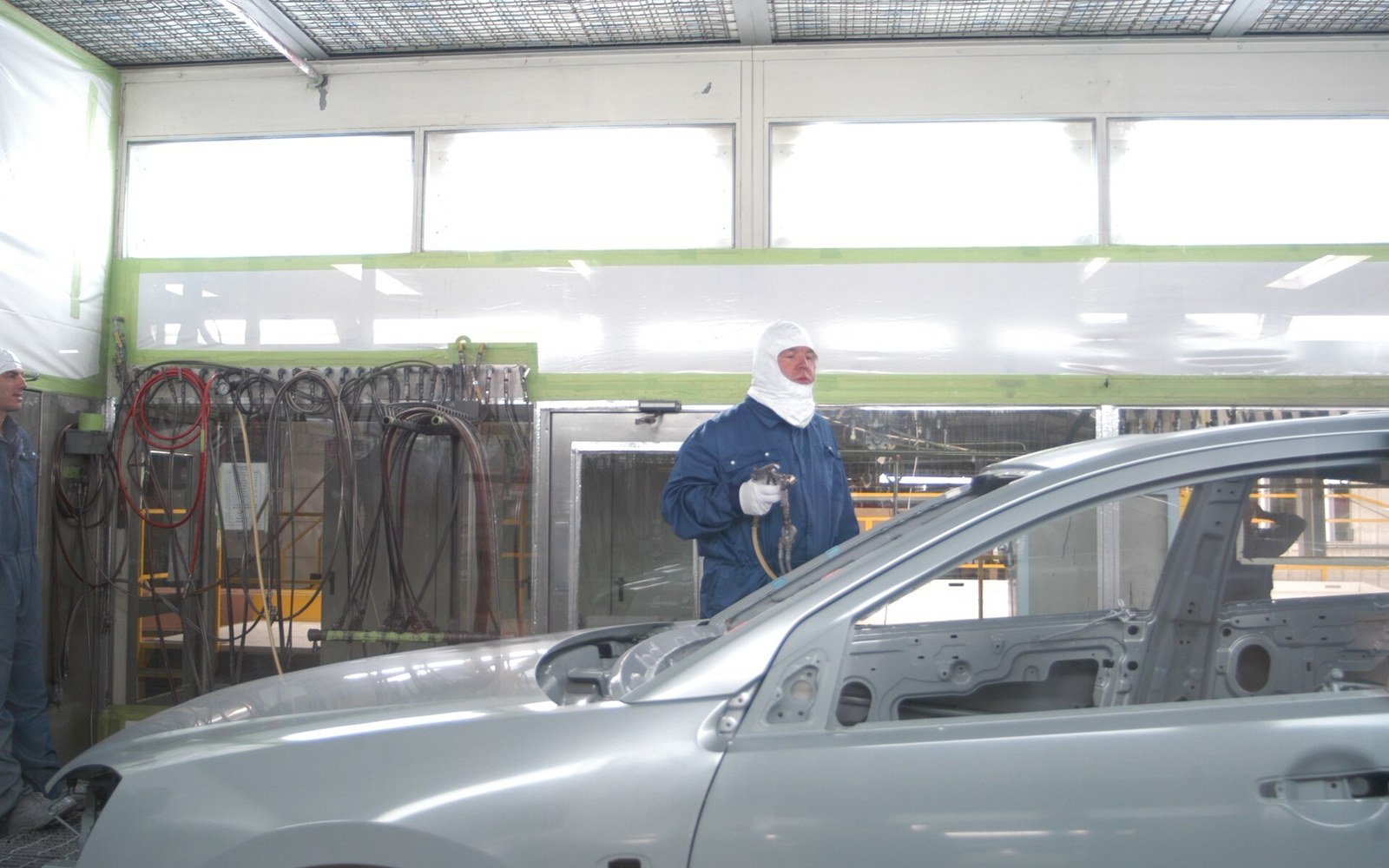
Preparation is the job. The gun is the last afternoon of it.
Photo: Spray booth · Wikimedia Commons
The kits that work are the ones whose makers took a different path. Alpina, which holds its own manufacturer type approval from the Kraftfahrt-Bundesamt (KBA, the German Federal Motor Transport Authority) and issues vehicles with distinct VIN sequences, validates aerodynamic changes as part of a whole-vehicle certification programme. When an Alpina bodywork package alters the front or rear load distribution, the suspension and braking calibration are adjusted to suit. The shape and the dynamics are solved together, which is what type approval requires. Brabus and AC Schnitzer ↗ operate under different approval frameworks — their kits are certified as parts rather than as complete vehicles — but the serious programmes from both houses have used computational fluid dynamics and physical tunnel time to verify that the numbers correlate with the visual intent.
The physics are unforgiving. Downforce is not free: every wing or diffuser element that generates net negative lift also generates net drag, and drag costs fuel and top speed. A rear wing added to a front-wheel-drive car without a corresponding front splitter moves the aerodynamic centre of pressure rearward, which can increase understeer at speeds where the aero load becomes meaningful. A wide-body kit that covers extended track but uses the same spring rates and roll bar stiffness as the narrow car changes the roll-centre geometry the original engineer had balanced; suspension geometry does not forgive a change in track without compensation in the kinematic design.
What to pull out of the flow
- Separation point — where airflow detaches from a surface; determines wake behaviour and determines whether a spoiler adds load or merely trips turbulence
- Aerodynamic centre of pressure — the point through which total aero load acts; moving it rearward on a FWD car increases understeer where aero loads are significant
- Boundary layer — the thin region of air adjacent to a surface where viscous effects dominate; what most aero add-ons are trying to manage, deliberately or not
- KBA (Kraftfahrt-Bundesamt) — the German Federal Motor Transport Authority; issues type approval including whole-vehicle certification for tuners such as Alpina
What the tunnel reveals that the eye misses
The separation point — the location on the car's surface where the boundary layer detaches from the bodywork — determines where low-pressure zones form and where turbulence begins. A clean production car manages this separation deliberately: the rear screen angle, the trunklid edge, and the bumper lower valance are positioned so that the wake is controlled. A bolt-on rear spoiler that sits above the natural separation point on a fastback roofline can actually reduce rear stability compared with no spoiler at all, because it trips the boundary layer early without providing any net downward load. Tunnel smoke or particle image velocimetry makes this visible within minutes. Purchasing decisions made from a catalogue photograph cannot.
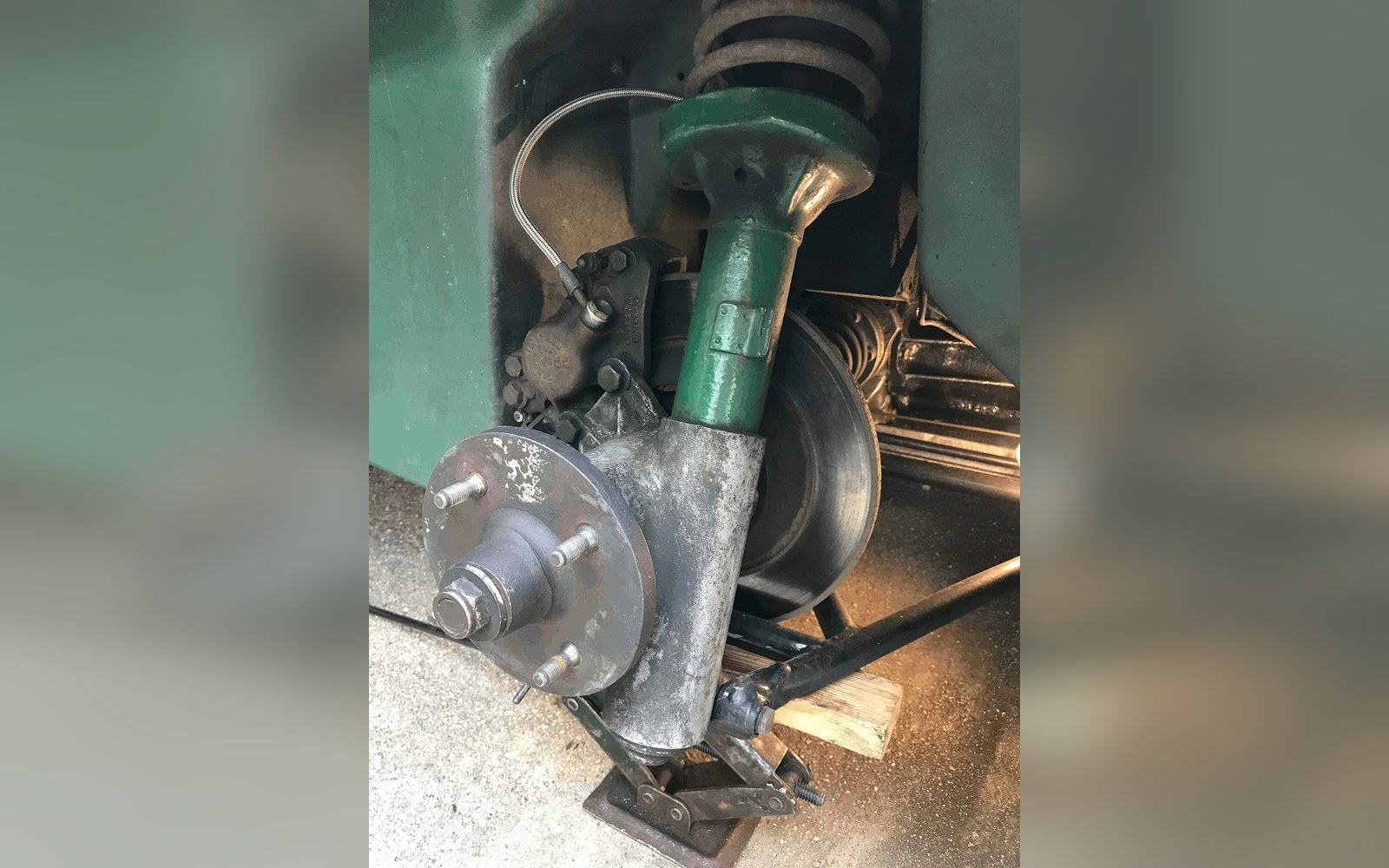
One corner with the wheel off. Every change here is paid for in compliance.
Photo: Lotus Elan Rear Suspension Hub · Wikimedia Commons
Nismo, Nissan's in-house performance division, publishes aerodynamic data from its development programme for road-going variants, which is exactly the kind of provenance that separates a validated aero package from a styled one. The figures are modest by racing standards — a few tens of newtons of additional downforce at motorway speeds — but they are real and directionally consistent across the speed range, which matters more for a road car than peak numbers. The Nissan GT-R Nismo documentation ↗ records specific aerodynamic targets that were set before the programme began, not confirmed afterward.
Who validates what
- Alpinawhole-vehicle type approval, aero changes validated as part of complete vehicle certification
- Brabus / AC Schnitzerpart-level approvals, serious programmes include CFD and physical tunnel time
- Nismoin-house Nissan division, publishes aerodynamic targets set before programme begins, not reverse-engineered from results
The honest position for anyone choosing a body kit is that most of what is sold improves the appearance of a car for the owner, and that is a legitimate reason to buy it. Claiming it makes the car faster through the air requires evidence that most catalogues simply do not contain.
Read next in Most of the money goes on the outside